


Last updated October 2026
Every padel project we run moves through six steps: feasibility and site check, planning strategy and application, design and compliance reports, the build, lighting, noise and handover, and opening support. Each step has a clear lead and a clear set of deliverables, and the planning and reports steps carry a real example from Old Blues RFC in Merton, where our team’s reports for six covered courts and a clubhouse were taken through the council’s review. Build time on site is about a week per court once the base is ready (UK Padel Guide).
| Step | Who leads | What you get |
|---|---|---|
| 1. Feasibility and site check | Architect and planning consultant, with Sam | Site layout, court arrangement, early read on council requirements |
| 2. Planning strategy and application | Planning consultant | Pre-application advice, the application, answers to the council’s questions |
| 3. Design and compliance reports | SustainPlan, with the architect | Energy statement and BRUKL, TM52 overheating, whole life carbon, BREEAM where needed |
| 4. Build, managed by Alex | Alex Winser and our installers | Groundworks, base, ring beam, drainage, courts and turf |
| 5. Lighting, noise and handover | Installers, our noise and lighting consultants, assessors | Floodlights, noise and lighting conditions dealt with, as-built paperwork |
| 6. Opening support | Alex and Sam | Commissioning, warranty documents, LTA maintenance schedule |
Who runs the project through the six steps?
Sam Guest, founder of SustainPlan, runs steps 1 to 3 and the compliance side of step 5. He leads the specialists, coordinates the energy, overheating, carbon and BREEAM work, and works with the planner and architect on whatever the council raises. Alex Winser, founder of WeDo Property Services, takes over on site at step 4 and manages the builder and the trades through to opening. The leads in the table above are the specialists on Sam and Alex’s team.
Step 1: Feasibility and site check
- Lead: the architect and the planning consultant, with Sam.
- You get: a site layout, the court arrangement, and an early read on what the council will require, from noise and lighting to energy and carbon.
- How we add value: the cheap mistakes are caught here, such as courts turned towards the nearest homes, a clubhouse in the wrong place for parking, or a tree root zone in the path of the base. The LTA expects noise and light surveys where a home is within 50m, so we check that distance first.
Old Blues: six courts and a clubhouse laid out on a rugby club site, working around existing trees and an existing bund.
How it works
- 01Tell us where you are up toSite, drawings and any council letters.
- 02Planning routePre-app, the reports and the application.
- 03BuildBase, courts and lights to the approved layout.
Step 2: Planning strategy and application
- Lead: the planning consultant, who coordinates every report the council receives.
- You get: pre-application advice, a planning route for your site, the application itself, and revised reports if the council’s reviewer comes back with questions.
- How we add value: the LTA’s guidance says planning “will be excluded from most contractors’ quotations”. It sits inside our contract, and a team that already shares one model can answer a reviewer in days.
Old Blues: the council’s reviewer asked for clarity on floor areas, operational energy and consistency between documents. We re-issued the energy statement (Rev 02) and the final BRUKL, matched to the latest clubhouse floor plan, plus a revised whole life carbon assessment built on architect-confirmed areas.
Step 3: Design and compliance reports
- Lead: SustainPlan, working from the architect’s drawings.
- You get: the energy statement and Part L calculation (SBEM/BRUKL), the TM52 overheating study for the clubhouse, the whole life carbon assessment, and BREEAM where the local plan names a rating, plus the design inputs the noise, air quality and lighting specialists need for their reports.
- How we add value: most of a padel footprint is court, so the heated-area decision is settled once and every report uses the same areas. The officer reads one building, not five versions of it. The common snags are on padel planning problems we solve.
Old Blues: carbon emissions 72.9% below the Part L 2021 target, and all six assessed clubhouse spaces pass TM52 with no mechanical cooling. The air quality consultant also needed our energy source and predicted annual energy use for their Air Quality Neutral assessment, and our energy report supplied them.
Step 4: Build, managed by Alex
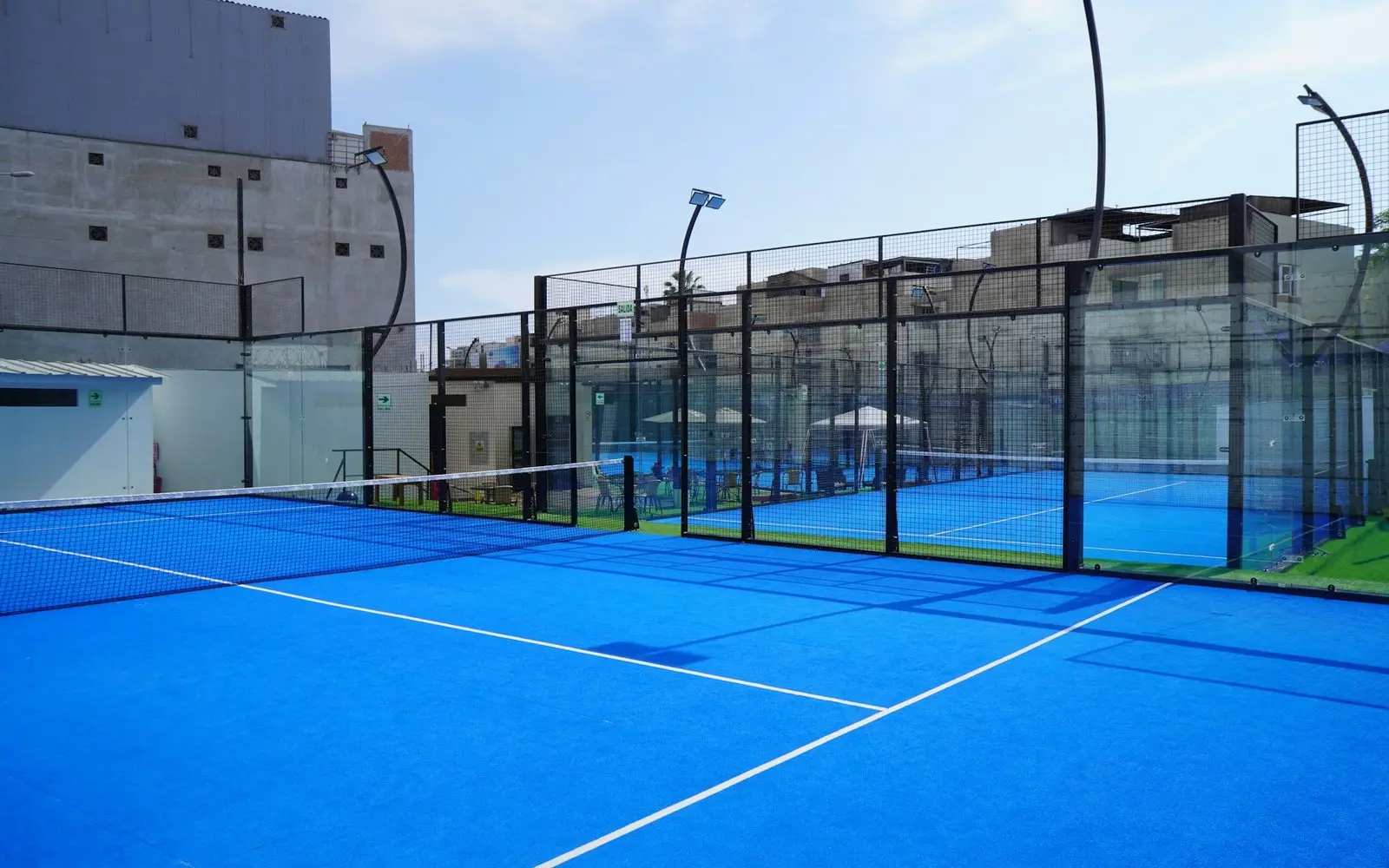
- Lead: Alex Winser, with our installers and groundworks teams.
- You get: the base, ring beam and drainage to the LTA’s specification, then the court frame, glass, mesh and sand-dressed turf.
- How we add value: Alex is your one contact on site and manages the builder and every trade, so you are not chasing separate firms. Groundworks take about 3 to 5 weeks per phase and each court about a week to install (UK Padel Guide). The padel court installation page covers this side in full.
Step 5: Lighting, noise and handover
- Lead: our installers for the lights, our noise and lighting consultants, and the assessors for the paperwork.
- You get: LED floodlights to the LTA’s lux levels, the noise and light conditions on your consent dealt with, and the as-built Part L calculation for Building Regulations. Where they were required, you also get BREEAM post-construction certification, a circular economy post-construction report and GLA “Be Seen” energy reporting for London schemes.
- How we add value: conditions on hours, screening and light spill are cleared before opening, not after a complaint.
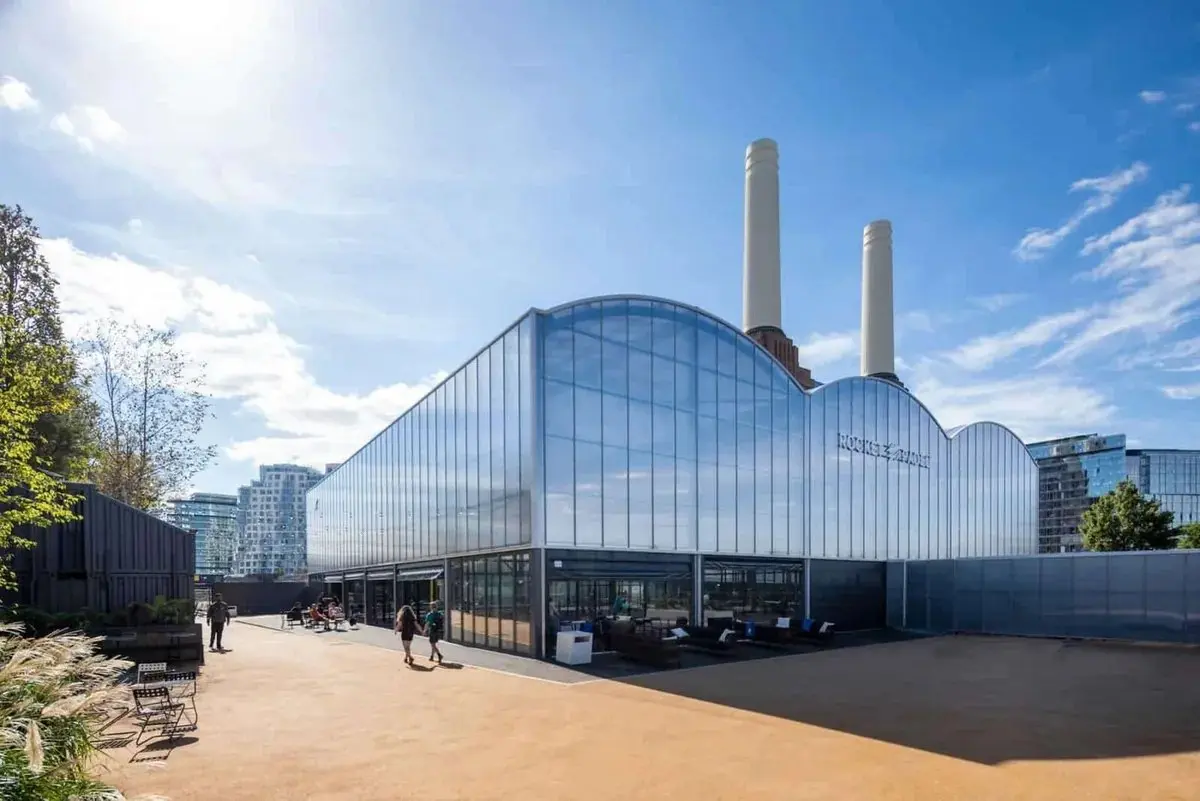
Example: at Rocket Padel, Battersea Power Station, SustainPlan’s post-construction circular economy assessment exceeded its target, with 99.96% of non-hazardous waste diverted from landfill. Read the Rocket Padel Battersea case study.
Step 6: Opening support
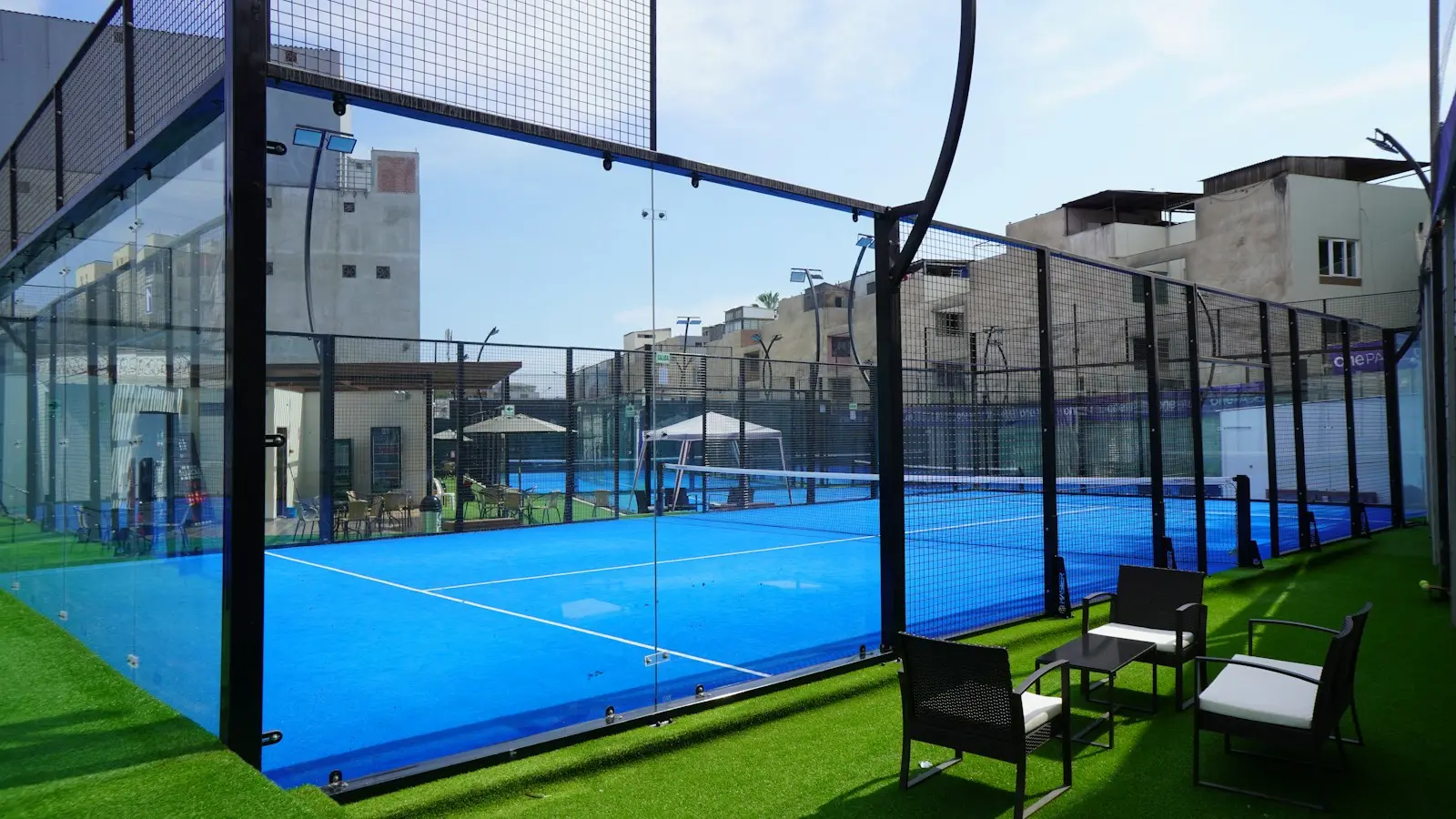
- Lead: Alex on site, with Sam on any remaining paperwork.
- You get: commissioning, which UK Padel Guide puts at one to two weeks, the warranty documents in writing, and a maintenance schedule matched to the LTA’s checklist.
- How we add value: the LTA warns that skipping maintenance “could invalidate the warranty of the court and court covering”, so you open with the routine and the log that protect it. If your club is still raising money, our padel court funding guide covers the LTA loan.
How long does the whole process take?
Most of the time sits in steps 1 to 3. In England a council has 8 weeks to decide a non-major application and 13 weeks for major development (gov.uk), and UK Padel Guide puts the whole journey from decision to first game at six to nine months. The full step-by-step timetable is on the home page and on padel court planning permission.
What do you need from me to start?
Four things get step 1 moving:
- the site address or postcode
- how many courts, and whether they are open or covered
- where your planning stands: not started, pre-application, submitted, or a condition to discharge
- any letter from the council, such as a validation letter or a planning condition you need to meet
You can upload the council letter on our contact form.
What’s included
- One team across all six steps, under one contract
- Planning coordination, architecture, energy, overheating, carbon and BREEAM
- Briefing and design data for our noise, lighting and air quality consultants
- Court supply, base, lights and installation by our installers
What’s not included
- Council fees and Building Control fees
- A guaranteed planning approval
Who does the work
Padel Court Build is a SustainPlan Ltd service. Each step is led by the right specialist, from the architects to SustainPlan’s assessors; Sam manages the hand-offs between them, and Alex runs the build. See who we work with.
FAQs
Can I join at step 2 or 3?
Yes. If your application is already in and the council has questions, send us the reviewer’s comments and the current reports.
Do you need a full design before you can start?
No. A site plan and the number of courts is enough for step 1.
Is the court build part of the same contract?
It can be. Our installers build the base and courts once planning allows.
Sources
- Old Blues RFC: Energy Statement Rev 02, Be Green BRUKL (9 Sep 2026), WLCA Rev 01, TM52 drawing notes, consultant emails (October 2025)
- Rocket Padel: SustainPlan BREEAM Project Portfolio
- LTA, Padel Court Construction Guidance Note 2025 (planning excluded from most contractors’ quotations, 50m survey trigger, base specification, maintenance and warranty), checked 17 Oct 2026
- gov.uk, Determining a planning application, updated 8 April 2026; UK Padel Guide, 13 October 2026 (timescales, groundworks, commissioning)